Given that most criminal cases are resolved by plea agreements, rather than trials, does it make any difference who the judge is? Consider three things.
First, the judge is the one who decides whether to accept a plea agreement. The prosecutor and the defense attorney can agree to whatever they want. But if the judge doesn’t believe the agreement is appropriate, he can put a stop to it; he can reject the agreement. In the courtroom, the ultimate responsibility rests at the judge’s feet. The “buck” stops with him.
Second, in many plea agreements, some of the details are left up to the judge. For example, if the defendant pleads guilty to rape as a Level 3 felony, and the plea agreement gives the judge full discretion in sentencing, he can sentence the defendant to as much as 16 years in prison. Or as little as 3 years on probation.
Third, prosecutors and defendants adjust their plea agreements to how the judge runs his courtroom. It’s not a perfect analogy, but consider a high school basketball game. Players adjust to how the referees officiate the game on a given night. Are they calling every little foul or are they “letting them play”? The players will quickly adjust their game to the referees.
The same is true in the courtroom.
For example, if a judge is known to be lenient in sentencing, defendants have little reason to agree to a severe penalty in a plea agreement. On the contrary, defendants in that scenario have incentive to take their chances at a jury trial. Why? Because even if the jury finds them guilty, defendants in that circumstance know they will still be sentenced by a lenient judge.
Prosecutors also adjust to the judge. If a judge is known to be lenient in sentencing, prosecutors adjust their plea offers, making them more lenient in hopes of convincing defendants to plead guilty. Why? Practically speaking, prosecutors don’t have a choice – there simply aren’t enough resources to take every case to trial. Also, the prosecutor knows what the defendant knows – if the jury finds the defendant guilty, he will still be sentenced by the judge.
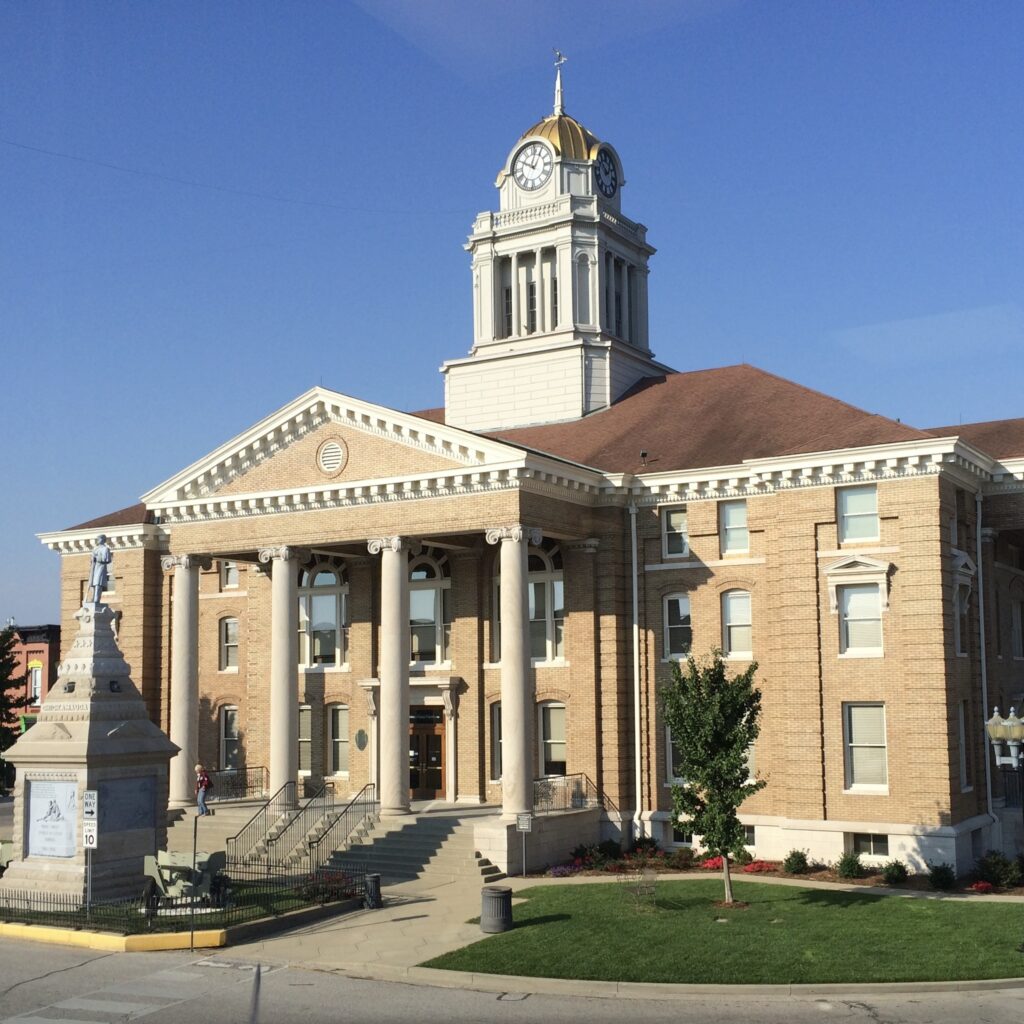
In our county, Dubois Circuit Court is the court that handles victim crimes – crimes like rape, child molesting, robbery, and strangulation.
Does it make any difference who the judge is?
When it comes to victims and the safety of our community, the answer is yes.